- Excellent 7,200mAh battery life
- Fast 90W charging
- Great 6.59" 144Hz AMOLED display
- Strong 50MP main and telephoto cameras
- Weak ultrawide camera
- Battery: 7200mAh battery for a full day or more.
- Charger: 90W fast charging, fully charged in approximately one hour.
- Display: Bright, smooth and sharp 6.59" AMOLED display.
- Camera: 50MP periscope telephoto and 3x optical zoom for portrait photos.
- Build: IP68/IP69 rating, good water and dust resistance.
Story Hightlights
Vivo's V-series has always been centered around good cameras and stylish designs, and the Vivo V80 is no exception. The big difference this time is the battery. Vivo has also boasted a 7,200mAh battery in a thin 7.69mm enclosure, which can easily last a full day or even more. Along with that you are going to receive a bright 144Hz AMOLED screen, 50MP periscope telephoto lens and water and dust protection of IP68 and IP69 respectively.
Not perfect, however. The Snapdragon 7 Gen 4 is the same processor used in the V70, meaning that performance is consistent and may become over-heated during extended periods of heavy use. The 8MP ultrawide camera is also subpar. With a high price tag, is the V80 worth it? Let’s find out.
An In-Depth Review on Samsung Galaxy A08
Vivo V80 is designed for those who prefer a phone that lasts. It features a big 7200mAh battery with 90W fast charging support, and also has waterproof and dustproof protection of IP68/IP69. The AMOLED display has a 144Hz refresh rate, offering high brightness and smooth performance, while the main and telephoto cameras deliver impressive results.
There are a few disadvantages, though. It also runs on the same Snapdragon 7 Gen 4 chipset as was used last year, has a weak 8MP ultra-wide lens, and is priced high. This review will address its design, its display, performance, its cameras, its battery life, as well as its price in Bangladesh and value.
Box Content
This is what you get inside the Vivo V80 box:
- Vivo V80 Smartphone
- 90W fast charger
- USB-C cable
- Clear silicone case
- SIM ejector tool
- User manual
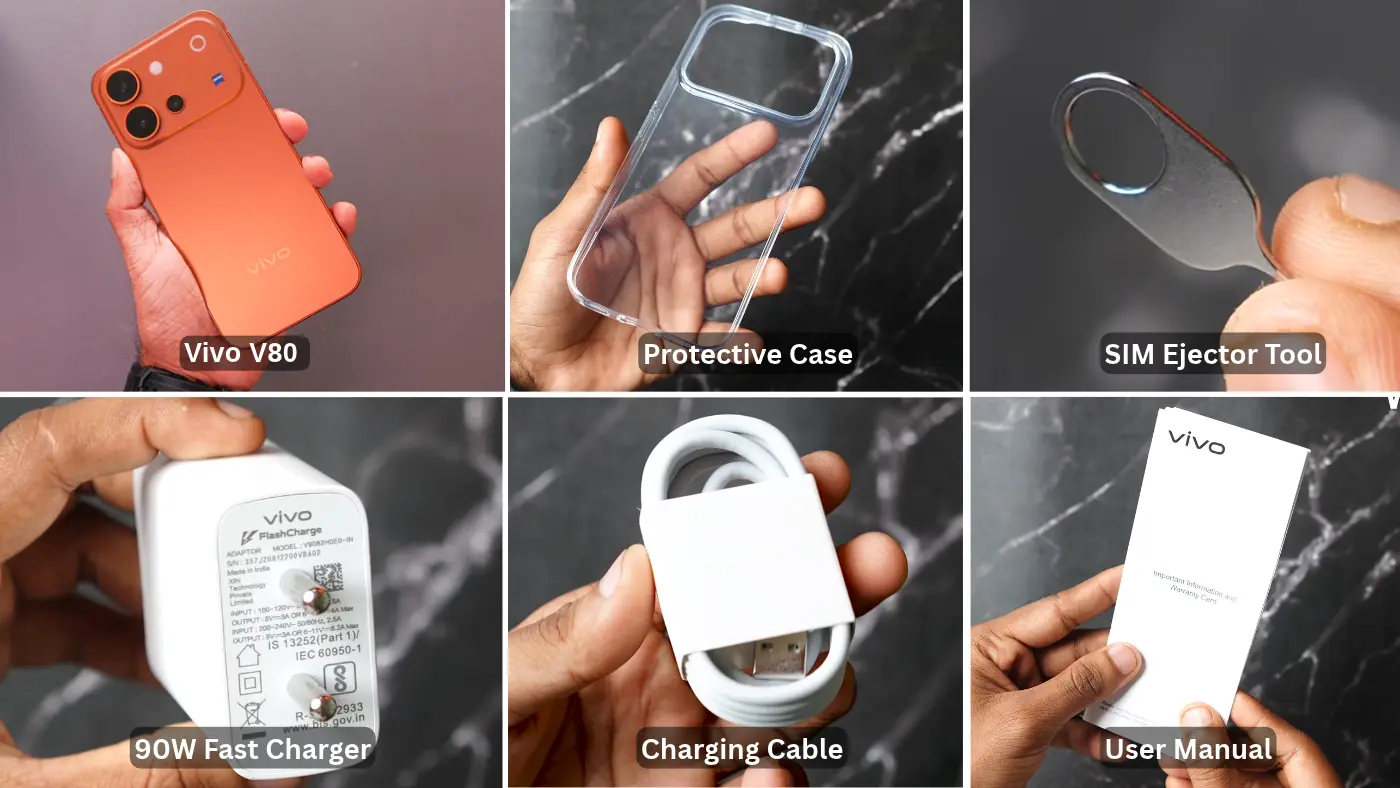
Vivo has provided you with a complete package with Vivo V80. The phone and its 90W fast charger, together with a USB-A to USB-C charging cable, a clear silicone case, a SIM ejector tool and the quick start guide plus warranty paper are included inside the box. The display is also already covered with a screen protector. The charger is included as well as the case, which is a plus as many of them don't include them. This doesn’t require earphones, so please bring your own.
Design & Build Quality
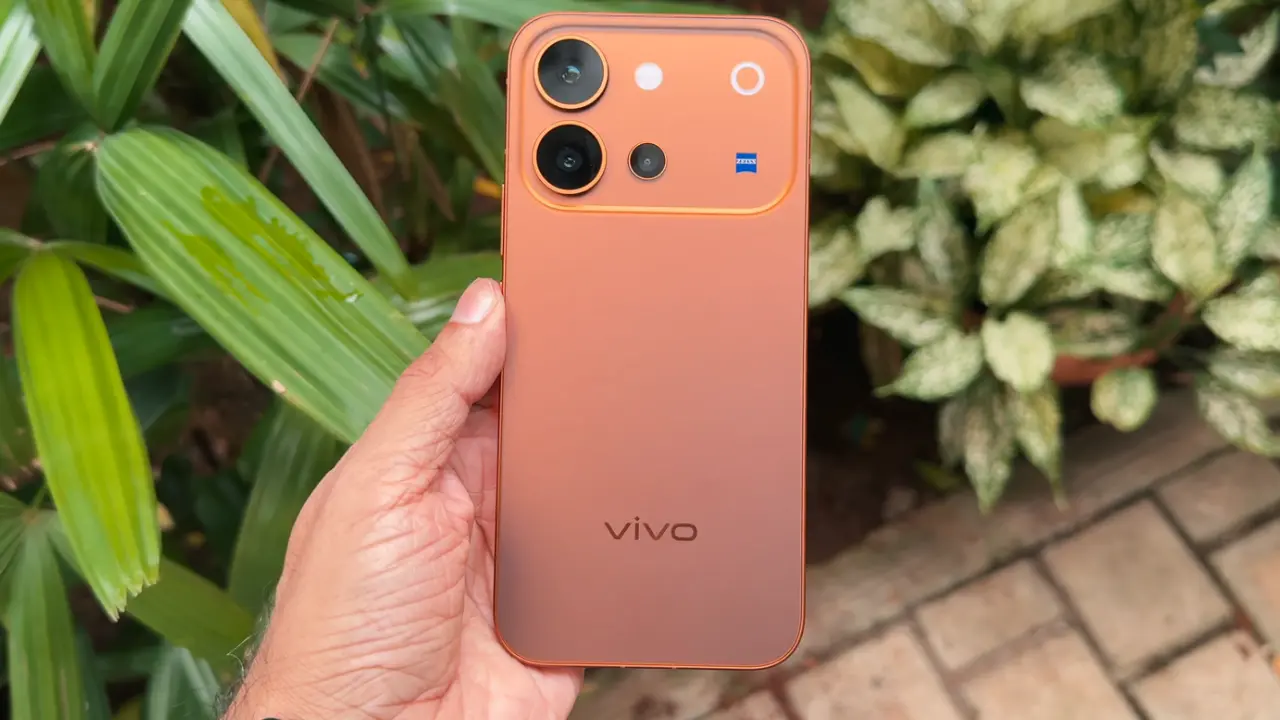
Vivo V80 feels and appears like a high-end phone. It measures 157.52 x 74.33 x 7.69mm, which makes it slim and easy to hold. The phone doesn't feel clunky given the size of the battery. The edges are flat and not too angular at the edges so that they don't cut into the palm, and the thin bezels give the device a “flagship” appearance on its front. Comfortable to use with the one hand.
The back is glass and the frame is a matte aluminium alloy. They are both excellent in resisting fingerprints so it is not difficult to keep the phone clean. The colours are: Stellar Black, Horizon Blue and Sunrise Anthem. The most noticeable of the three is the Sunrise Anthem, which changes colour with the light. The floating camera module on the rear looks neat, and features an LED flash and a small aura light.
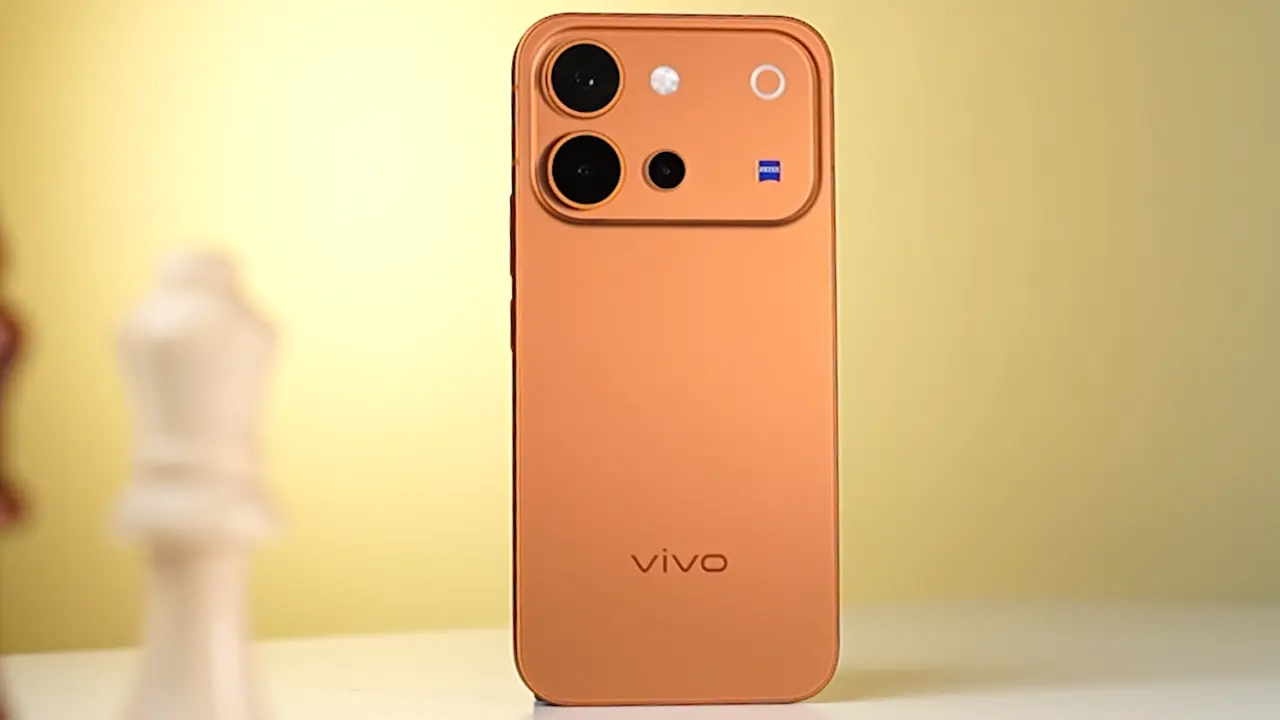
Here durability is a true asset. The V80 is dust proof and can withstand 1.5m of water for 30 minutes, with IP68 and IP69 waterproofing ratings. IP69 also protects against high-pressure, hot water jets, which is rare at this price.
The phone's weight is slightly heavy at 203gms, well-distributed. It is easy to slip on the back of the glass, so it is best if you have a case and the clear glass in the box assists. The camera bump also causes the phone to shake when resting on a table. Lastly, the design appears to be quite like that of the V70, so there's not likely to be a drastic change in what you see.
Display
Vivo V80's AMOLED screen resolution is 1260 x 2750 pixels and has a 459 PPI pixel density. There is a good viewing angle, rich colors and sharp text. The screen area is approximately 90.85% of the front surface and the thin bezels and small punch-hole camera minimize the level of distraction. It's perfect for watching videos, social media and reading.
This one is a really strong attribute—brightness. Vivo says it has got a peak of 5000 nits, and the display remains readable even in direct sunlight. Please note that this is only for small bright areas. For normal use, the expected maximum is likely to be around 1,800 nits, a fairly good level. It also helps you stream HD content on apps such as Netflix and Prime Video due to its support for HDR10+ and Widevine L1.
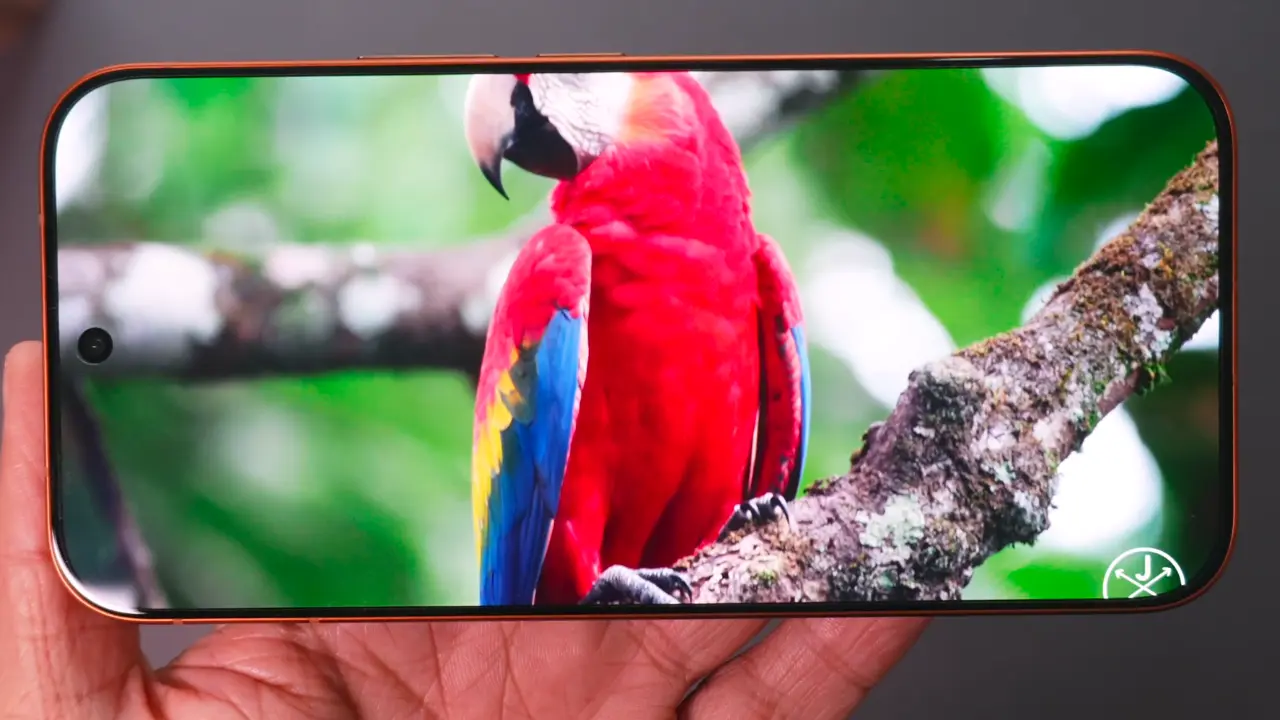
Its 144Hz refresh rate ensures smooth scrolling and animation. It responds quickly to touch and a high frequency of PWM dimming and various eye care options make it easy on the eye.
During testing, 144Hz was primarily used for games while the standard interface was capable of 120Hz, meaning it's not always going to display 144Hz. Interestingly, one of the end users' units also couldn't be used to watch HDR content on YouTube. The screen is Full HD+ and not high-resolution, but that's okay and not a deal-killer at this price point.
Camera
Vivo V80 features 3 rear cameras powered by ZEISS, which include a 50MP main camera, a 50MP periscope telephoto camera, and an 8MP ultrawide camera. The main camera features an f/1.88 lens and Sony LYTIA 700V sensor with OIS support. The telephoto lens has 3x optical zoom, while the 50MP selfie camera also features autofocus. Overall, the main camera and telephoto are good, while the ultrawide is under par.
Daylight Photo:
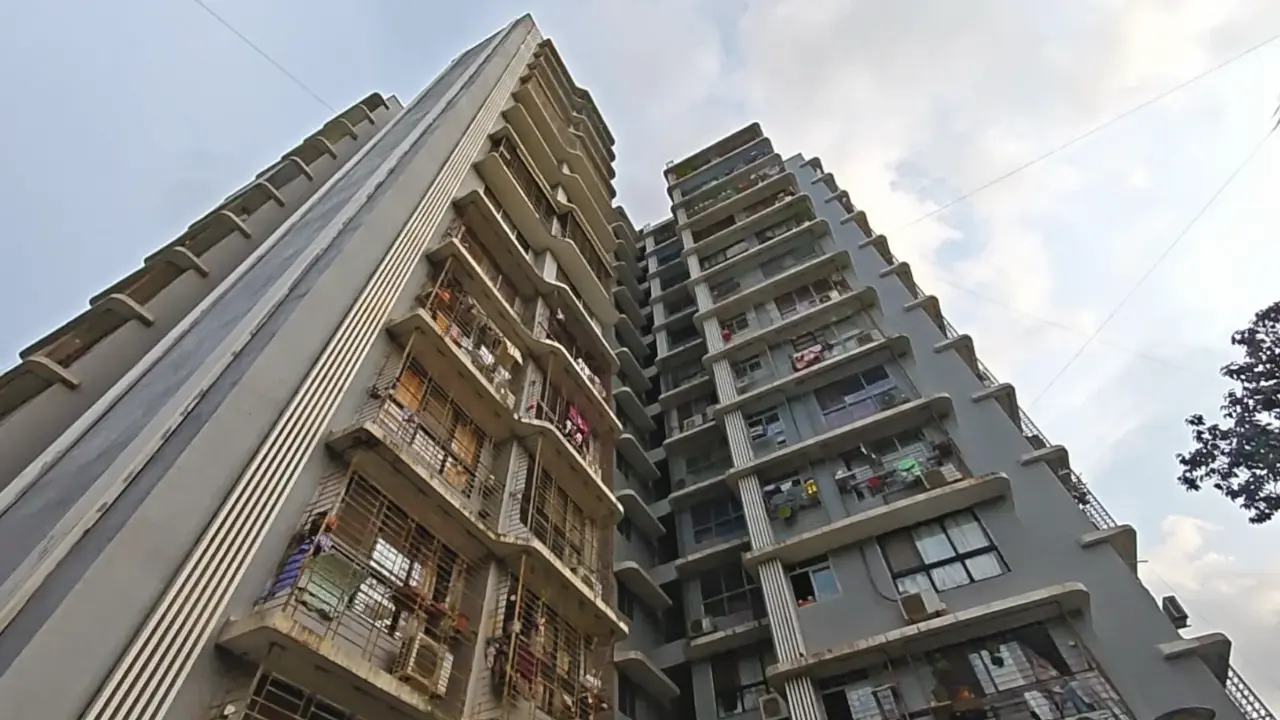
It's a pretty fine main camera in good lighting. Images are crisp and sharp, colors are good and highlights are controlled, even in challenging HDR situations. It performs quite well in the telephoto range, delivering accurate colours and good detail and is superb for portraits. The ZEISS modes in Portrait are available in five focal lengths of 23mm, 35mm, 50mm, 85mm and 100mm. Zoom quality is good to about 20x and beyond that, it is not so good. The ultrawide is usable in the day with a more warm and friendly look to the photos, than the main camera, but it cannot capture in low light conditions.
Low-light Photo:
The camera is suitable for low-light and exposure is balanced, detail and noise are good. The OIS will assist with keeping shots steady. It's certainly a downgrade, but it's still usable with the telephoto camera. The ultrawide doesn't work very well in low-light conditions, and as such isn't recommended. The night mode feature also requires some seconds to activate, and one reviewer reported that there could be different color differences between the normal and 50MP night modes.

The 50MP front camera is a good feature. It takes crisp images with excellent details, even in daylight, and with a bit of edge detection, in portrait mode. Aside from the wide view for group photos, it can be used in low light with screen flash as well.
The V80 is capable of 4K video, with both front and rear cameras capable of 60fps, according to reviews. OIS stabilises images. However, there are some restrictions. The Ultra stabilization reduces the resolution to 1080p, while there is no portrait video mode.
Performance & Software
Vivo V80 is powered by Qualcomm Snapdragon 7 Gen 4 that also features Adreno 722 and is a 4nm chipset. It's equipped with 8GB of RAM and UFS 3.1 storage. It's the same chip as found on the V60 and V70, and I don't think it's going to be a performance leap.
The phone is capable of being used for daily activities. Quick opening of apps, smooth scrolling and multitasking is fine. Also, reviewers have said it keeps its cool while using it. Gaming isn't too bad either. Some of the most popular games such as Call of Duty: Mobile and BGMI are able to perform well and the phone didn't get hot after playing for an hour. However, games such as Genshin Impact are extremely demanding and require lower settings. The benchmark scores are near some of the competition such as the Oppo Reno16, but a bit short of the V70.
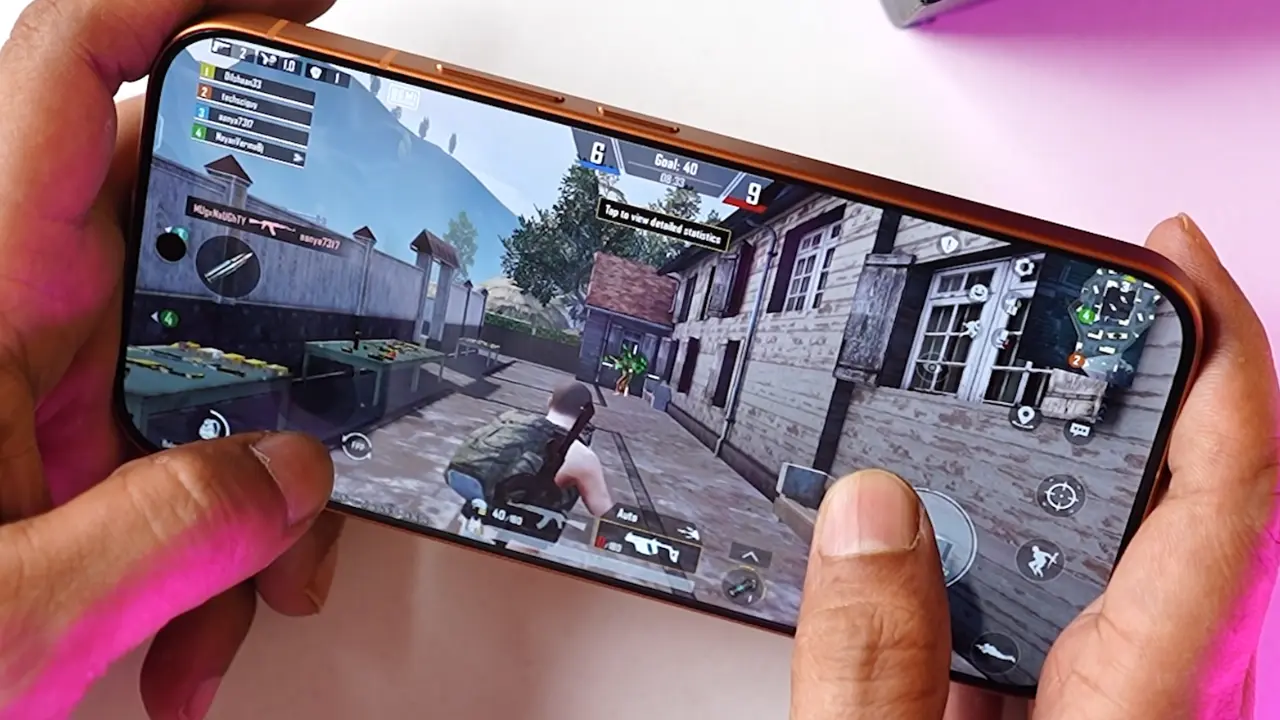
Some drawbacks. When the phone is pressured, it may stutter a bit, and one tester saw that the phone has slight lag after unlocking. During the heavy stress test it became very hot after approximately 15 minutes. Only about 7.2GB of 8GB is available for LPDDR4X RAM at the moment due to its age. Vivo does offer up to 16GB of virtual RAM, but that is no match for real memory.
The V80's software side is on Android's OriginOS 7. Clean, smooth and looks more polished than the previous version. Extras that are useful include AI call translation, small windows, turning handwritten notes into text with Snap Note, and the Smart Sidebar. Vivo is also offering 4 years of Android Update and 6 years of Security patches, which is great.
There are some minor inconveniences with software. The feature of customization is limited, some preinstalled apps can come back after reset and only Super Dragging is available for Vivo applications.
AnTuTu Benchmark & Geekbench Score
The Vivo V80 scores about 1,400,432 points on AnTuTu Benchmark 11. It is a good mark for an upper mid-range phone. The CPU score is approximately 480,000, the GPU score is approximately 326,000 and the memory score is approximately 234,000.
The handset achieves 1,222 points in single core and 3,542 points in multi-core tests on Geekbench 6. These numbers can be used for daily use, gaming and multitasking purposes.
There is a problem with that, however. The V80 has a bit less than the V70 from last year with a 1,279 single-core and 4,114 multi-core. Also, the GPU compute score is significantly lower at 3,960 vs. 7,804. So, the V80 is not a step up in performance.
Battery & Charger
The Vivo V80's standout feature is its battery life. It has the added advantage of a big 7,200mAh battery, compared to the 6,500mAh battery in the V70. Vivo's battery is silicon-carbon, allowing for more power in a device that isn't thick.
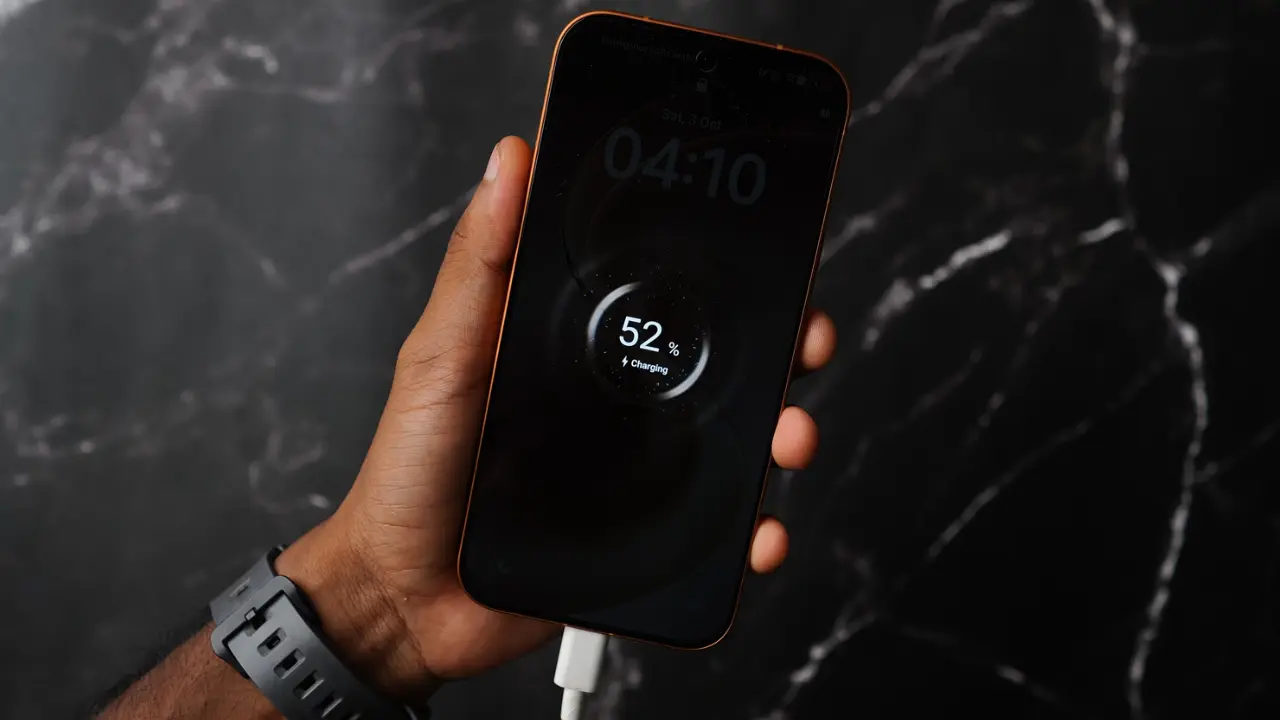
When used in actual practice the outcome is remarkable. The end of most days there were about 50% battery remaining and about 6 hours of screen-on time. Fone Arena achieved well over 7 hours of screen time, using a combination of Wi-Fi and 5G technology in almost two days. This means even heavy users can easily get through a whole day without any problem.
Quick charge as well. The phone is compatible with 90W wired charging and the charger is in the box. It has been charged 45% in 30 minutes and 100% in approximately 1 hour and 2 minutes.
No wireless charging is available. There is no improvement in charging speed, even with the larger battery, as the charging speed remains the same as the V70. According to GSMArena's testing, in fact the V80 had a slower charge than the V60 and V70. Vivo's 50% in 30 minutes was also not fulfilled. Last but not least, the USB port is limited to USB 2.0, and file transfers will be slow.
Vivo V80 price in Bangladesh
Vivo V80 is priced at Tk 79,999 for 8GB of RAM and 128GB of storage in Bangladesh. This is a recommended price only and may vary from seller to seller.
It's a steep price for an older chipset and just 8GB of RAM. As it's not officially imported, you may also not receive a proper local warranty. Please read the seller's description thoroughly before purchasing.
Final Word
If you prefer long battery life, a bright 144Hz display, powerful main camera, telephoto camera, and robust IP68/IP69 water resistance, then the Vivo V80 is an excellent option. It's pretty, sleek and fast charging.
But it has weaknesses that are obvious. The Snapdragon 7 Gen 4 chip is the same as from last year, the ultrawide camera, though effective, is dated, and the 8GB of “older” RAM is outgrown. The official price is also quite high Tk 79,999. Purchase it for the battery and cameras, not for gameplay power.